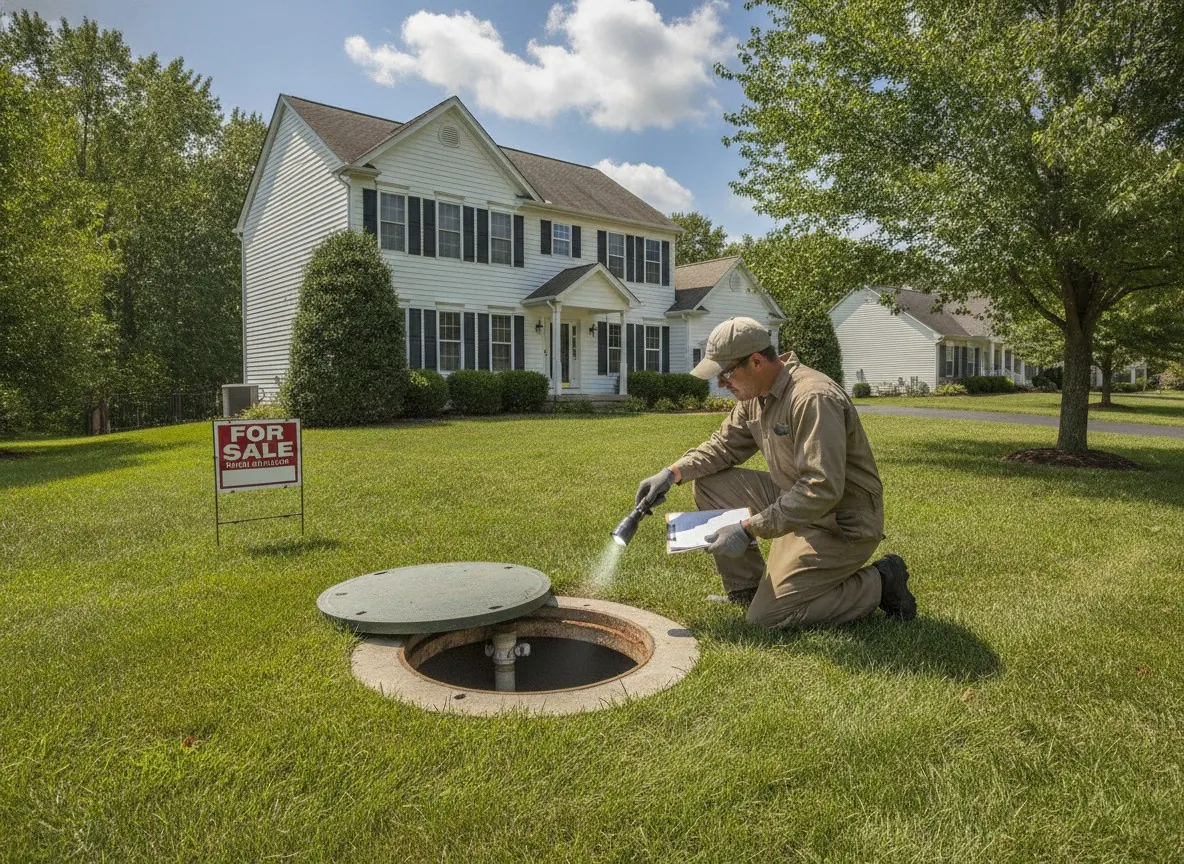
Do I need a septic inspection to sell a house in New York?
There is no statewide New York law requiring a septic inspection at sale. Inspections are usually driven by the buyer's lender, the buyer's attorney, or local rules. Examples: the Town of Queensbury Chapter 137 requires a transfer inspection in its waterfront zone, and the Lake George Park Commission runs a five-year inspection-at-pump-out program. Most Capital Region towns have no such rule, but buyers still ask.
Who pays for the septic inspection when buying a house?
It is negotiable. In most Capital Region deals the buyer orders and pays for the well and septic inspection as part of due diligence, the same as the home inspection. Sellers sometimes pay for a pre-listing inspection to head off surprises. If the inspection finds a problem, repair cost becomes a negotiation point, not an automatic seller obligation.
Does the tank have to be pumped during a real estate septic inspection?
Pumping is not legally required, but a thorough inspection includes it. With the tank empty the inspector can see the baffles, check the tank for cracks, watch whether water flows back from the drain field, and verify the effluent filter. A no-pump inspection only measures sludge and scum levels and runs a flow test. Lenders often want the full version.
What does a well and septic inspection include?
The septic side covers locating the tank, pumping, checking baffles and the tank structure, running water to confirm the drain field accepts it, probing the field for wet spots, and reviewing county permit records. The well side is usually a water test, often for bacteria, nitrates, and sometimes lead or arsenic, plus a flow check. We handle the septic portion and can coordinate the water sample.
How much does a septic inspection cost in the Capital Region?
A real estate septic inspection with pumping typically runs $400 to $800 in the Albany, Schenectady, Troy, and Saratoga area. That includes the pump-out, the inspection, and a written report. Locating a buried lid adds $50 to $200. A routine inspection without a sale, done at the time of a scheduled pump-out, costs less.